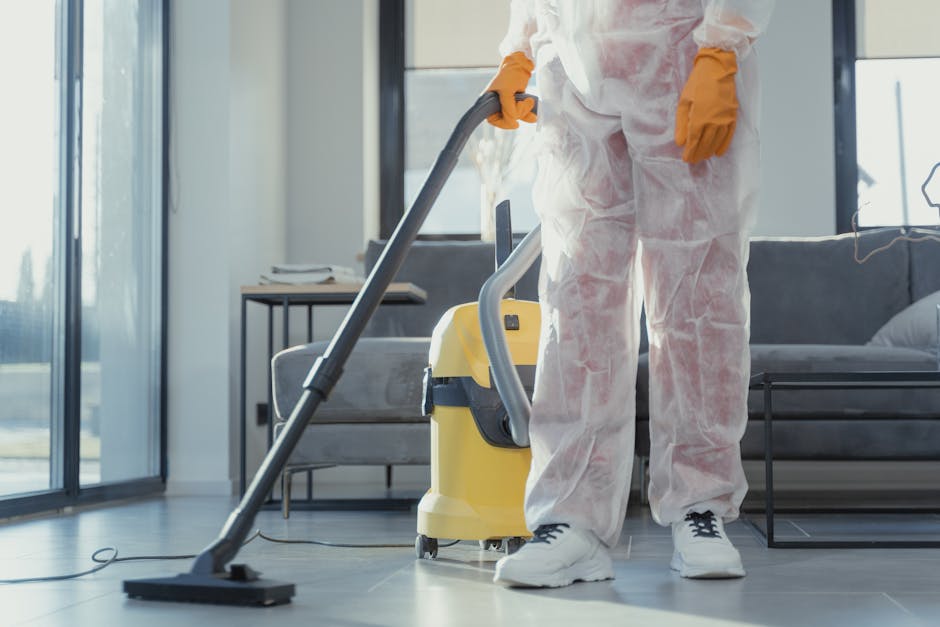
Balham Broadway deep cleaning services for flats: a practical guide for busy homes
If your flat in or around Balham Broadway has reached that stubborn stage where surface cleaning just is not enough, you are in the right place. Balham Broadway deep cleaning services for flats are designed for the kind of jobs that build up quietly: grease around cooker hoods, dust behind radiators, limescale in bathrooms, marks on skirting boards, and that general "we really should sort this out" feeling. Truth be told, flats can look tidy and still need a proper reset.
This guide explains what a proper deep clean involves, why it matters, how the process usually works, and what to look for if you are comparing options. It also covers practical prep, common mistakes, and the standards worth checking before anyone steps through your front door.
For readers wanting a broader service overview, the team's deep cleaning service and domestic cleaning pages are useful starting points, especially if your flat needs more than one type of clean.
Why Balham Broadway deep cleaning services for flats matter
Flats have a funny way of collecting dirt in small, hidden places. A hallway in a compact apartment can trap more dust than you would expect. A bathroom may look clean at a glance, yet still have grime around taps, soap residue on tiles, and mould-prone corners that need careful attention. Kitchens are usually the biggest culprit. Cooking vapour rises, settles, and slowly forms a sticky film on cupboards, splashbacks, extractor fans, and light switches. It is not dramatic day to day, but over weeks and months it builds up.
That is why a deep clean matters. It goes far beyond a quick tidy or weekly domestic cleaning. It is a reset for the whole flat, and for many people that reset comes at exactly the right moment: before moving out, after moving in, after illness, after a long busy period, or simply when normal routines have slipped. To be fair, that happens to everyone at some point.
In shared buildings near Balham Broadway, flats also face a slightly different set of pressures. There may be more foot traffic, more noise from open windows, more condensation, and a bit more day-to-day wear from people coming and going. Add busy London schedules and it is easy to let things go a little longer than planned. A proper deep clean helps bring the flat back to a standard that feels calm, fresh, and easier to maintain.
There is also a trust element. If you are paying for professional help, you want to know the work is thorough, careful, and appropriate for the surfaces in your flat. That means attention to detail, the right methods for delicate materials, and an organised approach rather than random wiping. A good cleaning company should make that process feel straightforward, not stressful.
Expert summary: For flats, deep cleaning is not about "making it look nicer for a day"; it is about removing built-up dirt, improving hygiene, protecting finishes, and making the home easier to live in afterwards.
How Balham Broadway deep cleaning services for flats work
Most professional deep cleans start with a walk-through or a simple description of what the flat needs. The provider will usually ask about the size of the property, how many rooms there are, whether carpets or upholstery need attention, and whether anything is especially dirty or delicate. That first conversation matters more than people think. If the cleaner knows there is heavy oven grease, limescale in the shower, or pet hair across soft furnishings, they can plan properly.
From there, the work is usually carried out room by room. The exact order varies, but the logic is broadly the same: remove loose dust and debris first, then treat built-up dirt, then detail the areas people touch most often. Handles, switches, skirting boards, sink areas, bathroom fittings, appliance exteriors, and hard-to-reach corners all get careful attention. In a small flat, those little details make a huge difference because everything is visible. You notice the difference immediately. Even the air can feel a bit lighter, especially in a kitchen or bathroom that had become stale.
A proper service may also include specialist tasks where needed. For example, a deep clean can be paired with carpet cleaning, oven cleaning, window cleaning, or upholstery cleaning if those areas need more than a surface wipe. That is especially useful in flats where one or two problem areas make the whole place feel untidy.
Many customers like to combine a deep clean with one-off cleaning when they need a single intensive visit rather than an ongoing schedule. That can be ideal if you are between tenants, preparing for guests, or dealing with the aftermath of a hectic few months. Not glamorous, maybe, but very practical.
What is usually included
- Kitchen degreasing and surface detailing
- Bathroom sanitising and limescale removal
- Dusting and wiping of high- and low-level surfaces
- Skirting boards, doors, handles, and switches
- Vacuuming and mopping of floors
- Interior windows and accessible ledges
- Appliance exterior cleaning
- Spot treatment for marks, build-up, and neglected areas
Some flats need extra support after decorating, renovation, or repairs. In those cases, an after builders cleaning service is often the better fit because dust from plaster, sanding, and cuttings behaves differently from ordinary household dirt. It gets everywhere, annoyingly.
Key benefits and practical advantages
The biggest benefit is simple: a properly deep-cleaned flat feels better to live in. That sounds obvious, but the effect is real. When sinks shine, floors feel clean underfoot, and greasy patches are gone from the kitchen, the whole space becomes easier to enjoy. You tend to keep it cleaner too, because you are starting from a better baseline.
There is a practical side as well. Regular surface cleaning cannot always prevent stains from settling or dirt from accumulating in corners. Deep cleaning reduces that hidden build-up, which can help prolong the life of surfaces and fittings. A well-cared-for flat often feels less stressful day to day. You spend less time wondering what needs doing next. That mental relief counts.
For people renting, a deep clean can be a smart move before check-out, especially if you want the property to present well. For homeowners, it can be a reset before listing a flat, before family visits, or after a long period of low-energy housekeeping. For landlords and agents, it can support a better standard between occupants. And for busy professionals around Balham Broadway, it can be the difference between a space that merely functions and a space that feels properly looked after.
Another advantage is time. Most people underestimate how long a real deep clean takes when they have to fit it around work, commuting, errands, and everything else. Hiring experienced cleaners means the job is handled efficiently and with a plan. You are not spending your Saturday on your hands and knees with a sponge while the rest of London seems to be out enjoying itself.
Key benefits at a glance
- Better hygiene in high-touch and hard-to-reach areas
- Improved appearance for moving, renting, or hosting
- Less build-up of grease, dust, and grime
- More comfortable living conditions
- Support for surfaces, fittings, and fixtures
- More efficient use of your own time
Who this is for and when it makes sense
Balham Broadway deep cleaning services for flats are not just for extreme cases. They make sense in plenty of ordinary situations too. If you have been living in the same flat for a while, especially with a busy schedule, there may be areas you simply do not have time to tackle properly. The bathroom keeps getting wiped over, but the grout still looks dull. The kitchen gets cleaned, but the extractor fan never quite gets sorted. Sound familiar?
These services are especially useful for:
- Tenants preparing for the end of tenancy process
- Landlords wanting a property presented properly for new occupants
- Homeowners doing a seasonal reset
- People moving into a new flat and wanting a truly fresh start
- Families juggling work, children, pets, and very little spare time
- Anyone dealing with persistent dirt, odours, or neglected corners
It can also be a sensible choice after sickness, before an important event, or when a flat has simply gone beyond the point where routine upkeep feels enough. If you are dealing with carpets, rugs, or sofas that have taken a battering, specialist services such as sofa cleaning or rug cleaning may be worth adding. Small flat, big impact. That is usually how it goes.
If the job is more general and you want support with routine upkeep as well as a one-off reset, home cleaners or house cleaning services may be a better fit over time. Flats, houses, studios, maisonettes - the core principle is the same, but the scope changes a bit.
Step-by-step guidance
If you want the clean to go smoothly, a little preparation helps. Not a full-blown life admin project. Just enough to make the team's job easier and the result better.
- Walk through the flat first. Note the areas that bother you most. Kitchen grease? Shower limescale? Dust behind furniture? Write it down, even if it feels a bit obvious.
- Clear small personal items. Toiletries, post, loose clothes, and kitchen clutter slow the job down. You do not need to empty every cupboard, but clear surfaces where possible.
- Flag fragile or sensitive surfaces. Marble, untreated wood, antique fittings, or special flooring may need different products or methods.
- Prioritise the problem rooms. If the bathroom and kitchen are the main issue, say so. That helps the service focus effort where it matters most.
- Ask what is included. The phrase "deep clean" can mean different things. Check rooms, task list, and any optional extras.
- Arrange access in advance. Key collection, buzzer instructions, parking, and lift access can all affect timing. A tiny thing, but it matters.
- Inspect the result room by room. Do not just glance at the middle of the floor. Check corners, edges, taps, and under moveable items.
One useful habit is to separate cleaning from decluttering. They are not the same, and mixing them up makes the whole process feel heavier. If you are moving out and the place needs emptying too, you may even need house clearance before the clean can begin properly. That is especially true for flats with storage rooms, old furniture, or a lot of accumulated "I'll deal with this later" stuff.
And if your flat has a lot of hard flooring, do not overlook the finish. A lot of shine is lost because the floor has been mopped but not properly treated. Hard floor cleaning can be particularly valuable in kitchens, hallways, and living spaces that get constant use.
Expert tips for better results
The best deep cleans are not only about elbow grease. They come from planning, sequence, and the right expectations. Here are a few things that make a real difference.
- Start from the top and work down. Dust falls. If you clean the floor first, you will just undo your own work.
- Let products dwell when appropriate. Grease and limescale need time. Wiping too quickly often means the dirt stays put.
- Use separate cloths for bathroom and kitchen areas. It sounds basic, but cross-contamination is messy business.
- Pay attention to touchpoints. Door handles, switches, cupboard edges, and taps often tell the real story of a flat's condition.
- Mind ventilation. In a compact flat, airflow helps cleaning products perform better and reduces that damp, stale feeling.
- Keep one or two maintenance habits going afterwards. A five-minute evening reset in the kitchen can preserve the result for much longer than you would expect.
If you are booking for a flat that also serves as a home office, you may want to think about the work zone separately. A desk area needs dust control, cable tidying, and screen-safe cleaning, while the rest of the flat may need bathroom and kitchen restoration. It is a small distinction, but it changes the plan. For mixed-use spaces, sometimes a provider that also handles office cleaning can be useful, especially if the layout is a bit unconventional.
One last thing: be realistic about turnaround time. A spotless finish is achievable, yes, but only if the condition, access, and scope are understood properly. Rushed expectations lead to disappointment. A calm brief usually leads to a better result. Funny how that works.
Common mistakes to avoid
People often think a deep clean will automatically solve every issue in a flat. Sometimes it does a lot. Sometimes it reveals things you need to deal with separately. That is normal. The mistake is expecting a single clean to fix structural damp, damaged sealant, deep carpet wear, or years of neglect in one go.
Another common slip is failing to define the scope. If you assume ovens, inside cupboards, window tracks, and upholstery are included without checking, you may be disappointed. Likewise, some people forget to mention pet hair, heavy smoke residue, or post-renovation dust, all of which change the workload quite a bit.
Here are a few errors worth avoiding:
- Leaving clutter everywhere and expecting the clean to be equally thorough
- Not confirming what rooms and surfaces are included
- Ignoring specialist needs such as carpets, ovens, or soft furnishings
- Booking too close to a move-out deadline
- Choosing based on price alone without checking service scope
- Forgetting access details, parking, or building entry instructions
Also, do not underestimate the impact of materials. What works on tiled surfaces may not suit laminate, polished wood, or sensitive stone. A careful provider should adapt the process, not treat every flat the same. If someone sounds like they have a one-size-fits-all answer for everything, that is probably not a great sign.
Tools, resources and recommendations
You do not need to become a cleaning tech specialist, but it helps to understand the kinds of tools that typically matter in a flat deep clean. Microfibre cloths, extension dusters, vacuum attachments, non-abrasive pads, steam where suitable, and targeted degreasers or limescale removers all have their place. The point is not to use everything. The point is to use the right thing on the right surface.
For people choosing a service, the most useful "resource" is often a clear checklist of rooms and priorities. If you are comparing quotes, ask how the company handles kitchens, bathrooms, carpets, ovens, and windows. Ask whether they bring their own equipment and products. Ask how they deal with delicate finishes. These are simple questions, but they reveal a lot.
If you want a service that is broader than a one-off reset, it may help to look at how the company describes its wider support. For example, a cleaner may be suitable for lighter regular help, while a dedicated one-off cleaning service is better when the flat needs a deeper intervention. Different job, different toolset. Straightforward, really.
For post-renovation mess, use after builders cleaning. For tenants finishing a contract, end of tenancy cleaning is usually the smarter choice. If your flat also needs a broader domestic reset, then domestic cleaning can support the routine side of things afterwards.
Law, compliance, standards, and best practice
It is sensible to use a provider that works carefully and responsibly, especially in shared buildings and residential settings. While deep cleaning is not the same as a regulated trade in the way some technical services are, there are still important expectations around health and safety, insurance, handling products properly, and respecting the property.
In the UK, best practice usually means clear communication, safe use of cleaning agents, suitable protective equipment where needed, and sensible procedures for working in homes. If a provider is insured and can talk confidently about risk, that is reassuring. You do not need a lecture. Just competence, basically.
It also helps if the company is transparent about how it handles service issues, payments, and privacy. Those things may feel administrative, but they matter. A trustworthy provider should have policies in place that explain how complaints are handled, how payments are protected, and what happens if access, damage, or scheduling issues arise. If you want to understand the company's approach, pages such as insurance and safety, health and safety policy, payment and security, and terms and conditions are the kind of practical details worth checking.
Environmental practice can matter too. Some customers prefer lower-waste methods, more careful product use, and responsible disposal of cleaning materials. If that matters to you, look at the company's recycling and sustainability approach. It is not about perfection. It is about sensible choices and being thoughtful with resources.
Options, methods, and comparison table
Not every flat needs the same type of clean. Sometimes the right choice is a full deep clean. Sometimes it is a lighter reset with a few specialist add-ons. And sometimes an ongoing domestic service makes more sense after the initial job has been done.
| Option | Best for | Typical strengths | Watch-outs |
|---|---|---|---|
| Deep clean | Flats with built-up dirt, move-ins, move-outs, or overdue maintenance | Thorough reset, detailed attention, better hygiene | Needs clear scope and preparation |
| One-off clean | Busy households needing a single intensive visit | Flexible, practical, easy to book as needed | May not include specialist extras unless agreed |
| Domestic cleaning | Regular household maintenance | Keeps standards up over time | Not usually as intensive as a deep clean |
| End of tenancy clean | Tenants, landlords, and letting transitions | Focuses on handover-ready presentation | Should be matched to the tenancy requirements |
| Specialist add-ons | Problem areas such as carpets, ovens, sofas, or windows | Targets the most noticeable weak spots | Best booked alongside the main clean where needed |
In many flats, the best result comes from combining the main clean with one or two specialist services. A greasy oven, stained carpet, or neglected sofa can undermine the whole room if left untreated. That is why services such as carpet cleaning and oven cleaner options are often worth considering alongside the main deep clean.
Case study or real-world example
Here is a simple, realistic example. A one-bedroom flat near Balham Broadway had been occupied by a busy professional for nearly two years. The place was not untidy, but the kitchen had a dull sticky film on the cupboard handles, the shower tray had limescale around the edges, and the living room carpet showed traffic marks near the sofa. Nothing dramatic. Just the sort of everyday build-up that creeps in when life is full.
The first step was to separate the tasks: kitchen detail, bathroom restoration, carpet refresh, and a general whole-flat clean. The cupboards were degreased, the bathroom fittings were descaled, the carpet received a proper treatment, and the hard floors were finished last. The result was not just cleaner-looking rooms. The whole flat felt less tired. That is the word, really: tired. Not filthy, just worn.
The helpful part was the sequence. The kitchen was tackled first because it had the most build-up, then the bathroom, then the living areas. The client had thought the carpet was the main issue, but once the grime was removed from the kitchen and bathroom, the carpet problem looked smaller. That often happens. What seems like the biggest issue at the start is not always the most important one.
For a flatter with delicate floor finishes, the cleaner used a more careful method and finished with hard floor cleaning rather than a heavy-wet approach. Simple adjustment. Better outcome. No drama, which is ideal, frankly.
Practical checklist
Use this checklist before booking or before the team arrives.
- Identify the main problem areas in the flat
- Decide whether you need a full deep clean or a one-off service
- Check whether carpets, sofas, ovens, or windows need specialist attention
- Clear surfaces and remove small personal items
- Note fragile materials or awkward access points
- Confirm what is included in the clean
- Ask about insurance, products, and methods
- Share entry, parking, and building access details
- Set aside time to inspect the result afterwards
- Plan basic maintenance so the clean lasts longer
If your flat needs a broader refresh beyond cleaning, or you have items to remove before work starts, it is worth thinking about whether a house clearance style approach is needed first. Not always, of course. But when it is, it saves a lot of faffing around later.
And if you want to keep the property presentable after the main clean, a mix of cleaners for ongoing support and occasional one-off cleaning can be a sensible rhythm. Some flats need that blend more than a rigid schedule.
Get a free quote today and see how much you can save.
Conclusion
Balham Broadway deep cleaning services for flats are about more than appearance. They help reset the space, improve hygiene, and make everyday living feel lighter and more manageable. Whether you are moving in, moving out, catching up after a busy season, or simply tired of scrubbing the same stubborn spots, a proper deep clean can make a noticeable difference.
The key is to choose the right scope, communicate clearly, and match the service to the flat's real condition. Do that well, and the result is usually better than people expect. A cleaner flat, yes. But also a calmer one.
Sometimes that is exactly what a home needs.
Frequently Asked Questions
What is included in Balham Broadway deep cleaning services for flats?
It usually includes a thorough clean of kitchens, bathrooms, floors, touchpoints, skirting boards, and other built-up areas. Some providers also offer add-ons like carpets, ovens, windows, and upholstery.
How is a deep clean different from regular cleaning?
Regular cleaning maintains a home. Deep cleaning tackles the built-up dirt, grease, and grime that collect over time in corners, fittings, and harder-to-reach spots.
How long does a flat deep clean usually take?
It depends on the size and condition of the flat. A tidy one-bedroom flat will usually take less time than a heavily used property with carpets, ovens, and bathrooms that need extra attention.
Do I need to clear the flat before the cleaners arrive?
You do not need to empty everything, but removing clutter, personal items, and loose objects helps the team work properly and reach the areas that matter.
Is deep cleaning useful before moving out?
Yes. It is often one of the smartest things to do before handing back the keys, especially if you want the flat to present well and reduce avoidable issues at checkout.
Can deep cleaning help with odours in a flat?
It can help a lot if the odour comes from grease, damp build-up, carpets, upholstery, or neglected bins and surfaces. It will not solve structural damp, though, so that needs a separate look.
Should I book carpet cleaning at the same time?
If the carpets look dull, have traffic marks, or hold onto smells, then yes, it is often worth pairing carpet cleaning with the main deep clean for a more complete result.
What should I ask before booking a service?
Ask what is included, how the work is carried out, whether products and equipment are supplied, and whether the provider is insured. That gives you a much clearer picture of value.
Is an end of tenancy clean the same as a deep clean?
They overlap, but they are not always identical. An end of tenancy clean is usually focused on handover standards, while a deep clean may be broader or more customisable.
What if my flat has delicate surfaces or fittings?
Tell the provider in advance. Delicate stone, untreated wood, specialist flooring, and older fittings may need gentler products or adjusted methods.
Can I combine deep cleaning with other services?
Yes, and it is often the best approach. Depending on the flat, you may want extras such as oven cleaning, window cleaning, sofa cleaning, or hard floor cleaning.
How often should a flat have a deep clean?
That depends on lifestyle, pets, cooking habits, and the size of the flat. Some homes need it seasonally; others only at move-in, move-out, or after a period of heavy use.